 Skip to content

Do Horizontal Wells Actually Work for CCR Dewatering?
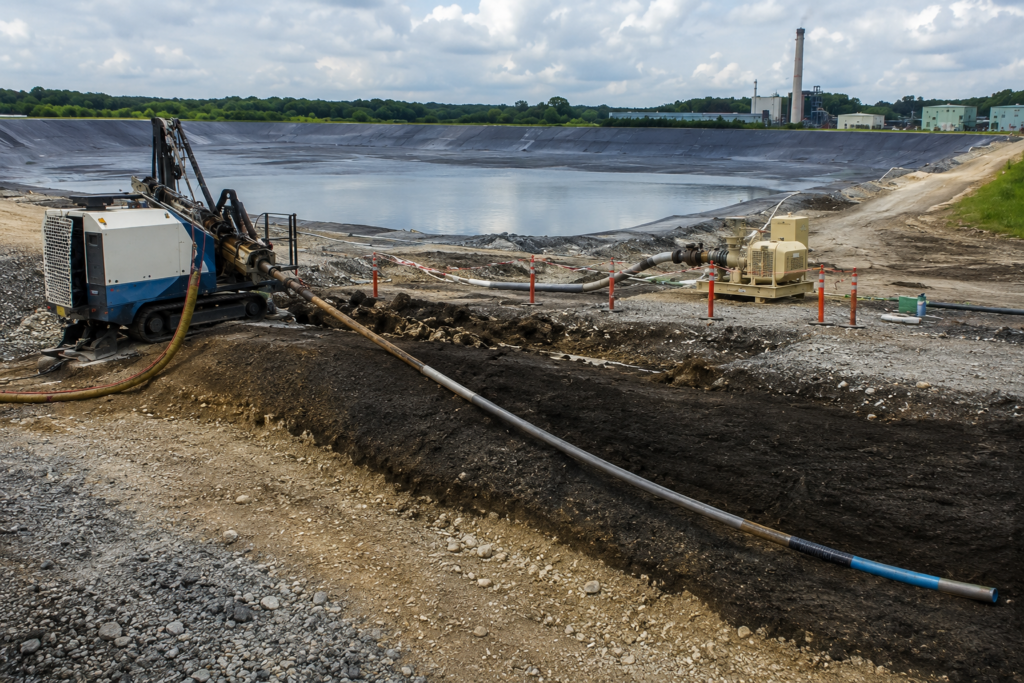
For many coal combustion residuals (CCR) sites, dewatering is not just a closure requirement. It is a constructability, safety, and long-term performance challenge. Ash basins, FGD ponds, and evaporation ponds often include large footprints, limited surface access, unstable working conditions, and site infrastructure that cannot be disrupted. These conditions can make it difficult, inefficient, or […]
Harnessing Horizontal Wells for FGD Sites: A Smarter Approach to Water Management
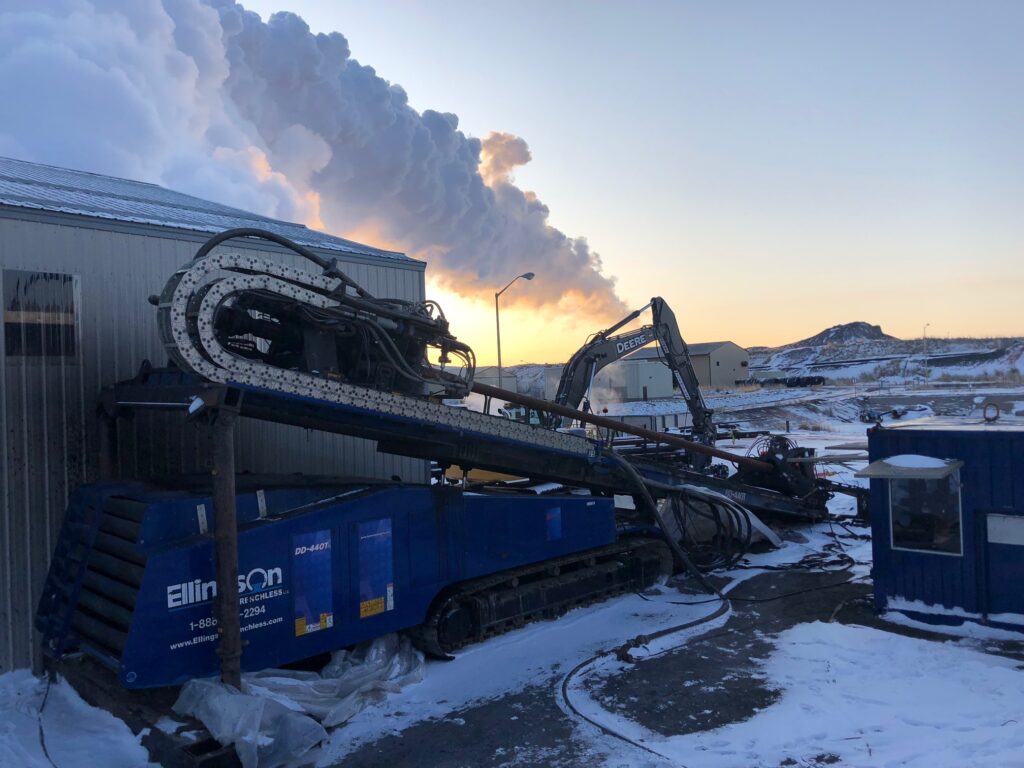
Flue Gas Desulfurization (FGD) is the process for removing sulfur dioxide (SO2) from the exhaust from coal burning power plants, but FGD systems also generate large volumes of wastewater and byproducts that require careful management. The wastewater from the process can contain contaminants including, trace heavy metals, fluorides/chlorides and high levels of total dissolved solids. […]
Why Horizontal Wells Are the Safer Choice for CCR Sites
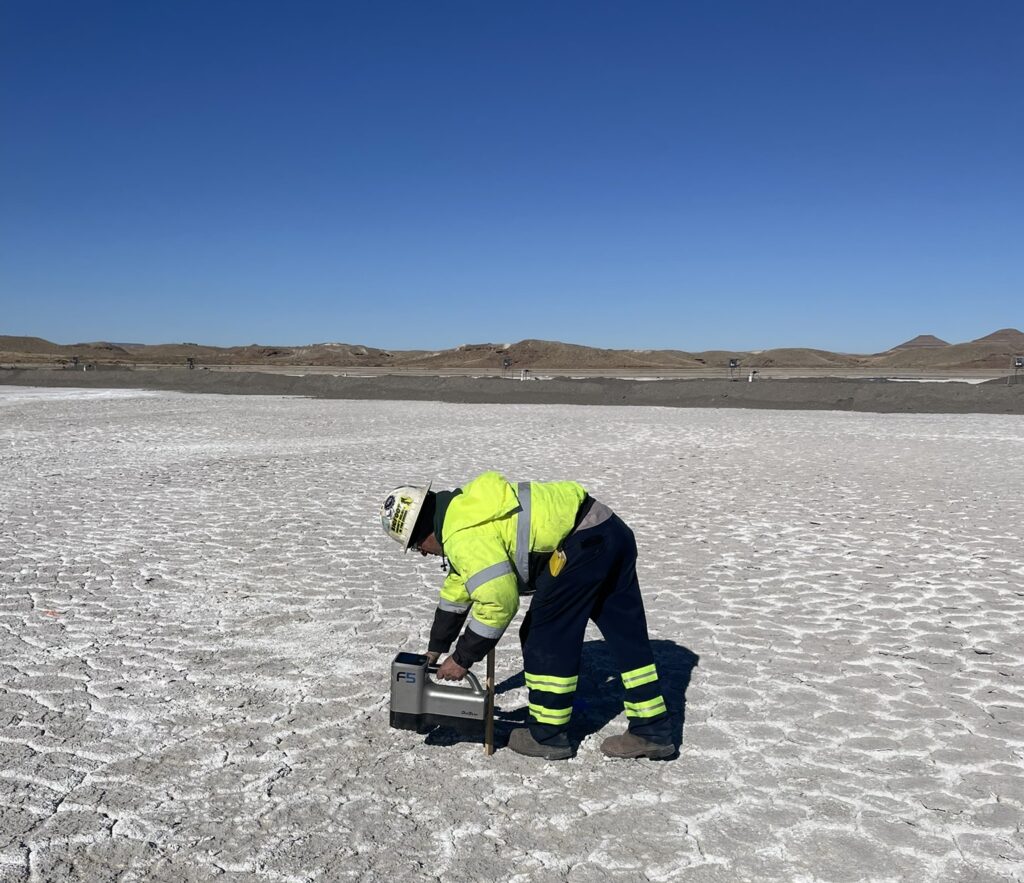
Managing coal combustion residuals (CCRs), also known as coal ash, is one of the most pressing environmental challenges facing utilities today. Across the U.S., ash ponds and basins hold decades of byproducts from coal-fired power plants. Safely closing and remediating these sites requires innovative approaches, particularly in terms of dewatering and groundwater control. While vertical […]
What Is Coal Ash Dewatering and Why Does It Matter?
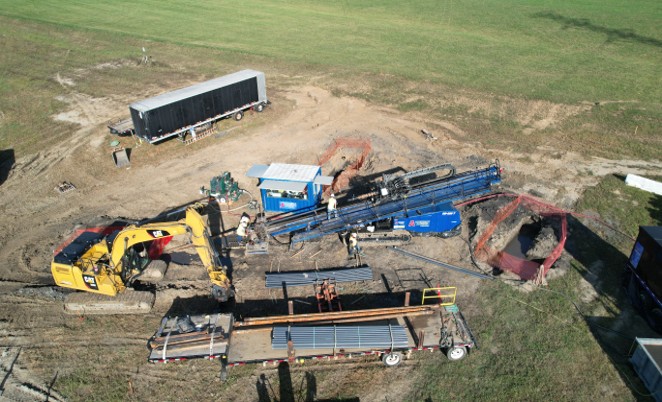
Coal has powered communities and industries in the U.S. for generations. However, with that legacy comes a challenge: how to responsibly manage the byproducts that are left behind. One of the most significant byproducts is coal combustion residuals (CCR), commonly referred to as coal ash. Coal ash contains fine particles that are often stored in […]