
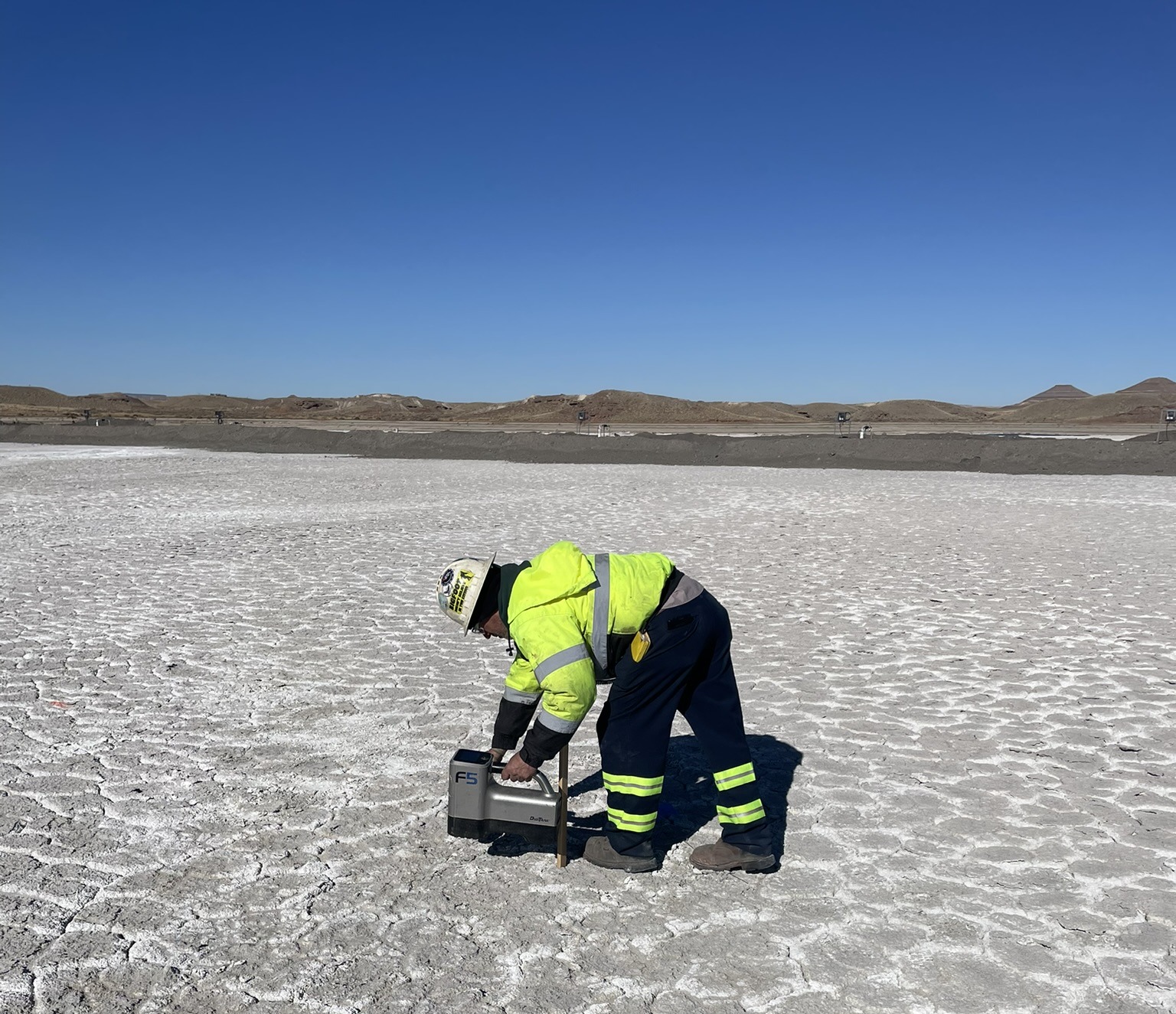
Managing coal combustion residuals (CCRs), also known as coal ash, is one of the most pressing environmental challenges facing utilities today. Across the U.S., ash ponds and basins hold decades of byproducts from coal-fired power plants. Safely closing and remediating these sites requires innovative approaches, particularly in terms of dewatering and groundwater control.
While vertical wells have historically been used in environmental remediation, they aren’t always the best option for CCR sites. By leveraging horizontal directional drilling (HDD), engineers can design solutions that are not only more effective but also significantly safer for crews, surrounding communities, and the environment.
The Safety Challenges of Coal Ash Basins
Coal ash impoundments often present challenging conditions for field crews and engineers:
- Unstable surfaces – Ash basins can be soft, saturated, and prone to collapse under the weight of equipment or personnel.
- Large footprints – Many sites span dozens of acres, making access challenging.
- Hidden risks – saturated ash can mask voids, weak zones, or shifting materials that create safety hazards.
Traditional well installations often require crews and equipment to work directly on these surfaces, putting people in harm’s way. Horizontal wells remove that risk.
Why Horizontal Wells Are the Safer Choice
- No Need to Work on Unstable Ash
Horizontal wells are drilled from stable ground outside of the basin. This means crews never have to bring rigs or personnel onto compromised surfaces. All drilling, casing, and screen installation is completed from a safe staging area on solid terrain. - Extended Reach Beneath Ponds and Basins
With lengths of up to nearly 3,000 feet, horizontal wells can reach under the most extensive CCR ponds. This allows engineers to place screens precisely where they’re needed, within or beneath ash deposits, without exposing crews to hazardous areas. - Fewer Access Points, Less Disturbance
Instead of installing dozens of vertical wells across a pond surface, a single horizontal well can achieve the same, or greater, coverage. Fewer access points mean reduced surface disturbance, less traffic around sensitive sites, and fewer opportunities for accidents. - Dual Functionality for Monitoring and Control
Horizontal wells aren’t just for dewatering. They can also be designed for groundwater capture, perimeter containment, or even as subsurface monitoring points. This flexibility reduces the number of installations needed, minimizing onsite activity and the associated risks. - Safe Collaboration with Regulators and Consultants
Because horizontal wells are designed with site-specific conditions in mind, they align well with regulatory requirements. Safer designs facilitate collaboration among utilities, consultants, and regulators, enabling them to work together confidently on closure plans.
Coal ash remediation is never without risk, but the right technology can make a significant difference. Horizontal wells offer a safer and more reliable method for dewatering, capturing groundwater, and monitoring CCR sites.